Introduction
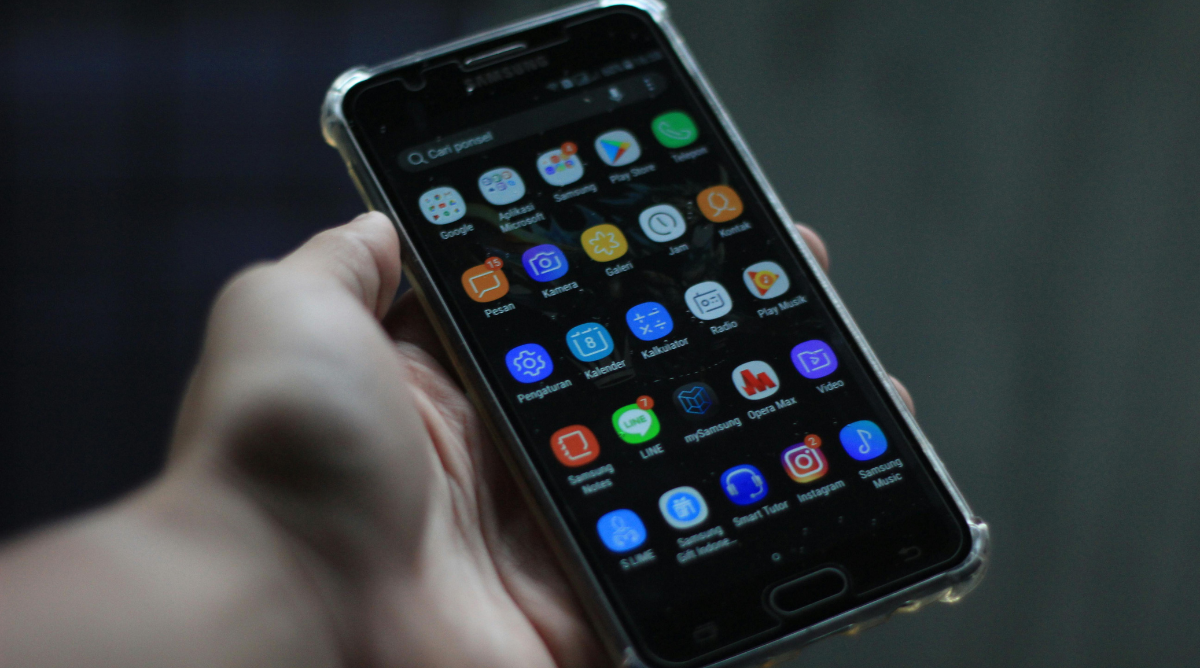
Android devices have become central to how we manage our daily tasks. From work to personal projects, the right apps can make a huge difference in productivity. In 2026, Android productivity apps are evolving faster than ever, offering new ways to automate workflows, track tasks, and stay organized. Whether you’re a student, professional, or casual user, understanding these trends can help you work smarter and save time.
Why Productivity Challenges Happen on Android
Even with powerful apps, Android users face productivity hurdles. Some common reasons include:
- App Overload – Installing too many apps can lead to distraction rather than efficiency.
- Fragmented Notifications – Multiple apps sending alerts can reduce focus.
- Poor Task Management – Without proper planning, tasks can get lost or delayed.
- Limited Automation – Users may not be using automation tools that save time.
Understanding these challenges is the first step to leveraging productivity apps effectively.
Top Productivity Trends in 2026 for Android Users
1. Smarter Task Management Apps
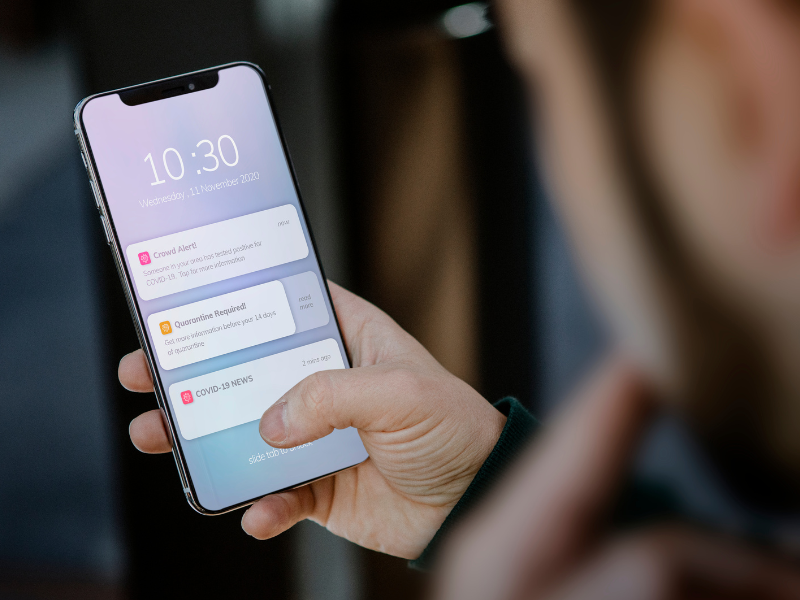
Modern task apps are not just digital to-do lists. They now integrate AI-based suggestions, calendar syncing, and priority alerts. Key features include:
- Automatic task sorting by deadlines
- Syncing across devices
- Integrations with email and messaging apps
Step-by-Step Setup for Maximum Productivity:
- Install a popular task manager from the Play Store.
- Allow calendar and email integration.
- Set recurring tasks and deadlines.
- Enable push notifications for urgent tasks.
Troubleshooting Tip: Make sure you give notification access; otherwise, reminders may not show.
Common Mistakes to Avoid: Overloading the app with too many small tasks—focus on key priorities.
2. Advanced Note-Taking and Collaboration Apps
2026 note apps allow real-time collaboration, rich media attachments, and even voice-to-text features. Benefits include:
- Sharing notes instantly with teammates
- Attaching images, documents, or audio
- Organizing notes with tags and folders
Step-by-Step Setup for Notes:
- Download a collaborative note-taking app.
- Create folders for different projects.
- Share notes with teammates or family.
- Use tags for easy searching.
Advanced Tip: Use voice-to-text for faster note-taking during meetings or classes.

3. App Automation for Android
Automation apps let users perform repetitive tasks without manual effort. In 2026, these apps are easier to use and integrate seamlessly. Popular automation includes:
- Auto-silencing phone during meetings
- Automatic backup of photos and documents
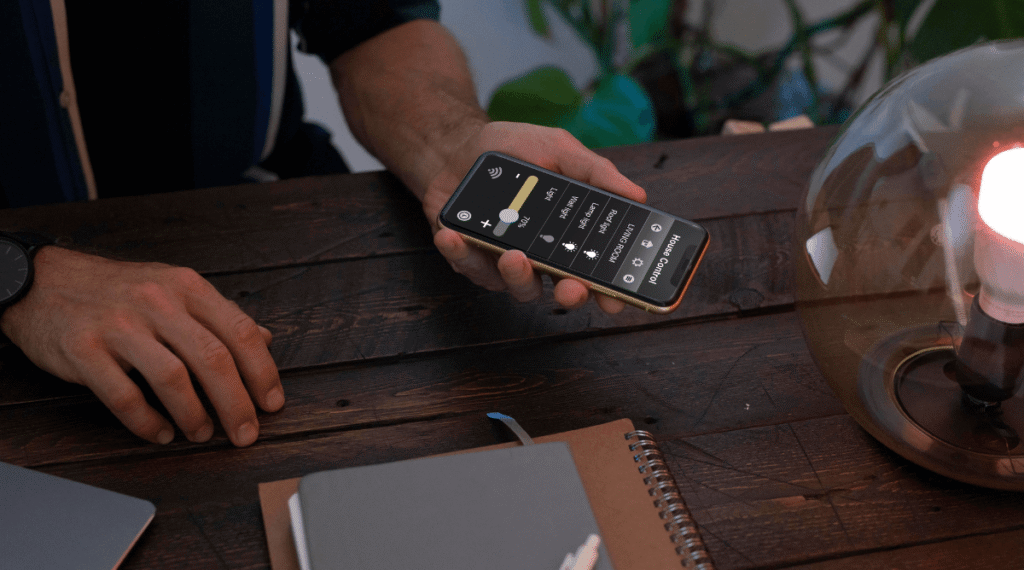
- Triggering smart home devices from phone actions
Step-by-Step Automation Setup:
- Install an automation app.
- Select pre-made automation “recipes” for common tasks.
- Customize triggers, e.g., time, location, or app events.
- Test each automation to ensure smooth execution.
Troubleshooting Tip: Avoid creating conflicting automation rules that may override each other.

4. Cloud Storage and Sync Apps
Cloud apps are essential for saving time and keeping data accessible. Features to look for in 2026:
- Real-time file syncing across devices
- Offline access to important documents
- Version history to recover older files
Step-by-Step Setup for Cloud Productivity:
- Install a cloud storage app on your Android device.
- Sign in and sync key folders.
- Enable offline access for frequently used files.
- Share documents with teammates or family members.
Common Mistakes to Avoid: Forgetting to organize folders can slow down productivity.
5. Focus and Mindfulness Apps
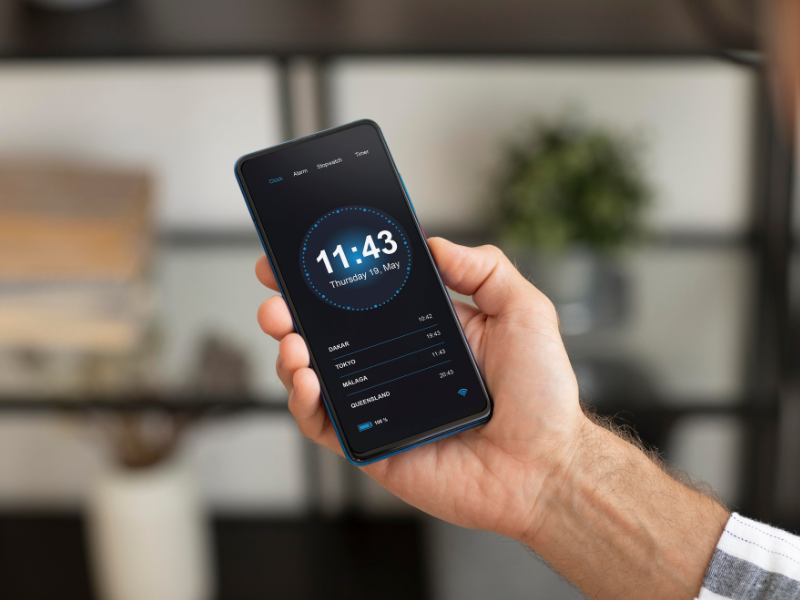
Productivity isn’t just about tasks—it’s about maintaining focus. Mindfulness and focus apps in 2026 include:
- Pomodoro timers for efficient work sessions
- Focus music and white noise
- Daily productivity analytics
Step-by-Step Setup for Focus Apps:
- Download a focus app from Play Store.
- Set work and break intervals.
- Enable focus mode to block distracting apps.
- Track your productivity stats daily.
Advanced Tip: Combine with task manager apps for a full productivity ecosystem.
Advanced Tips for Maximizing Android Productivity in 2026
- Combine Apps – Link task, note, cloud, and focus apps for a seamless workflow.
- Use Widgets – Android widgets can show tasks, notes, and reminders on your home screen.
- Regular App Review – Remove unused apps to reduce distraction.
- Explore Shortcuts – Android 14+ shortcuts can automate multi-step actions with one tap.
FAQ
Q1: Which Android productivity app is best for beginners?
A: Start with a simple task manager like Google Tasks or Microsoft To Do. They are user-friendly and integrate with Android easily.
Q2: Can I automate my Android phone without rooting it?
A: Yes, automation apps like Tasker or IFTTT work on non-rooted devices for most tasks.
Q3: How do I prevent notifications from killing my focus?
A: Use Android’s built-in Focus Mode or Do Not Disturb and allow only priority notifications.
Q4: Are there free productivity apps that work offline?
A: Yes, apps like Evernote, Google Keep, and Microsoft To Do offer offline functionality for free.
Q5: Can I track my daily productivity on Android?
A: Yes, many apps offer daily stats, reports, and analytics to measure task completion and focus time.
Conclusion
Android productivity apps in 2026 are more powerful than ever. From smarter task management to automation, cloud syncing, and focus tools, these apps can transform the way you work and manage life. Start small, integrate the right apps, and build a workflow that suits your needs. Regularly reviewing apps and using automation features can save hours every week and make your Android device a true productivity hub.
Final Suggestion: Pick one task manager, one note app, and one focus app first. Set them up properly, then gradually add automation and cloud syncing to avoid overwhelm.